Photographing Like the First Time
After 17 years working professionally as a photographer, I have come to understand that every camera responds to a completely different philosophy and way of shooting.
My curiosity began long before I ever imagined I would become a photographer. When I was a child, I was fascinated by my mother’s Pentax. I would take it without permission and secretly carry it around during our trips to the beach. Every now and then, I would also find a flash tucked away in a drawer, fire it directly into my eye and spend the next five minutes seeing everything in blue.
I found it absolutely fascinating. Hahaha.
I was always the annoying, weird friend in the group: the alternative one, the one who dressed differently and thought differently from everyone else. And, just to put the cherry on top, I also liked taking pictures.
I carried a small point-and-shoot camera everywhere. I photographed football matches, my friends and anything else that caught my attention. The camera was already beginning to become an extension of my hands, although I did not realise it at the time.
Then I grew up, and life led me to study Graphic Design, although before that I had wanted to join the military, started a degree in Industrial Relations and, at one point, even convinced myself that I was going to study Medicine.
During those early and innocent university days, I had the brilliant idea of asking a friend to let me try his Nikon D90. I looked through the viewfinder and took a single photograph.
That one “clack” split my life in two.
There was a before and an after. From that moment on, I knew that the only thing I wanted to do with my life was become a photographer and have a camera in my hands.
At the time, I was working as an instructor at my family’s tennis academy. When December arrived, I decided to invest everything I had earned in a camera. I did not even buy myself a T-shirt that Christmas, but eventually it arrived: a Nikon D60, which I genuinely believed was the most powerful camera in the world.
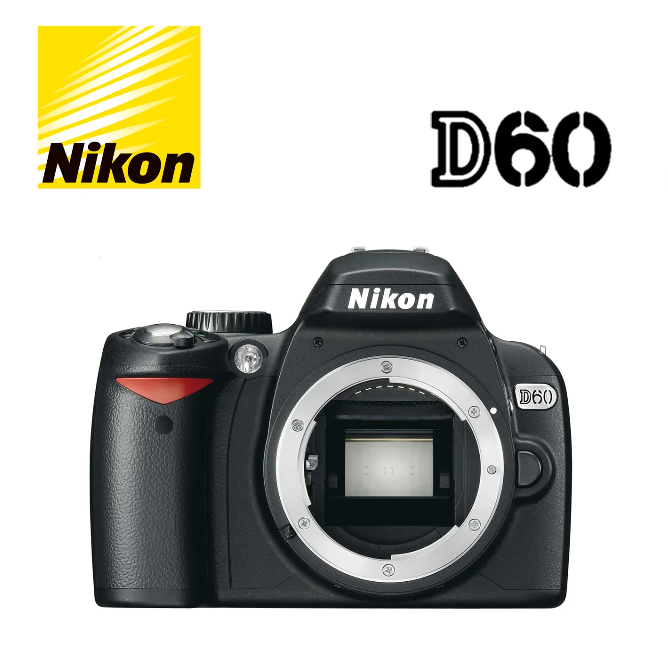
How NAIVE I was.
I began photographing absolutely everything that crossed my path.
The years went by and, from that point forward, I did not only migrate several times. I also kept changing cameras. I moved from the D60 to a D7000. Then I moved to Panama and bought a Nikon D3 which, although it already had a few years behind it, represented an enormous technological leap. The sensor in that camera was an absolute beast.
Later, I migrated to Colombia and took the opportunity to leave Nikon behind and switch to Sony. I started with an a6400, which lasted about seven months before I sold it to buy a Sony a7III. At the time, that camera felt like an absolute rocket.
I loved the technological leap and decided to commit myself to Sony for quite a while. Then the a7IV arrived, and I have nothing bad to say about it. These are incredible cameras: fast, precise and packed with insane capabilities. They are also expensive, especially once you start adding lenses.
But, as they say in the United States, “you get what you pay for.”
After almost ten years as a Sony user, I was walking through central Madrid one afternoon on my way to a job when I saw a man carrying several mirrors. The scene immediately caught my attention, but all my cameras were packed away inside my backpack.
The only thing I could do was pull out my iPhone and photograph him.
I did not give it much thought and continued on my way.
Some time later, during a masterclass in Barcelona with Alex Webb, I had the opportunity to show him my work. I was shaking and completely scared shitless. After looking through my photographs, he stopped precisely at that image of the man carrying the mirrors and said:
“You have some good photographs, although I feel I have seen some of them before. But you set the bar very high with this one.”
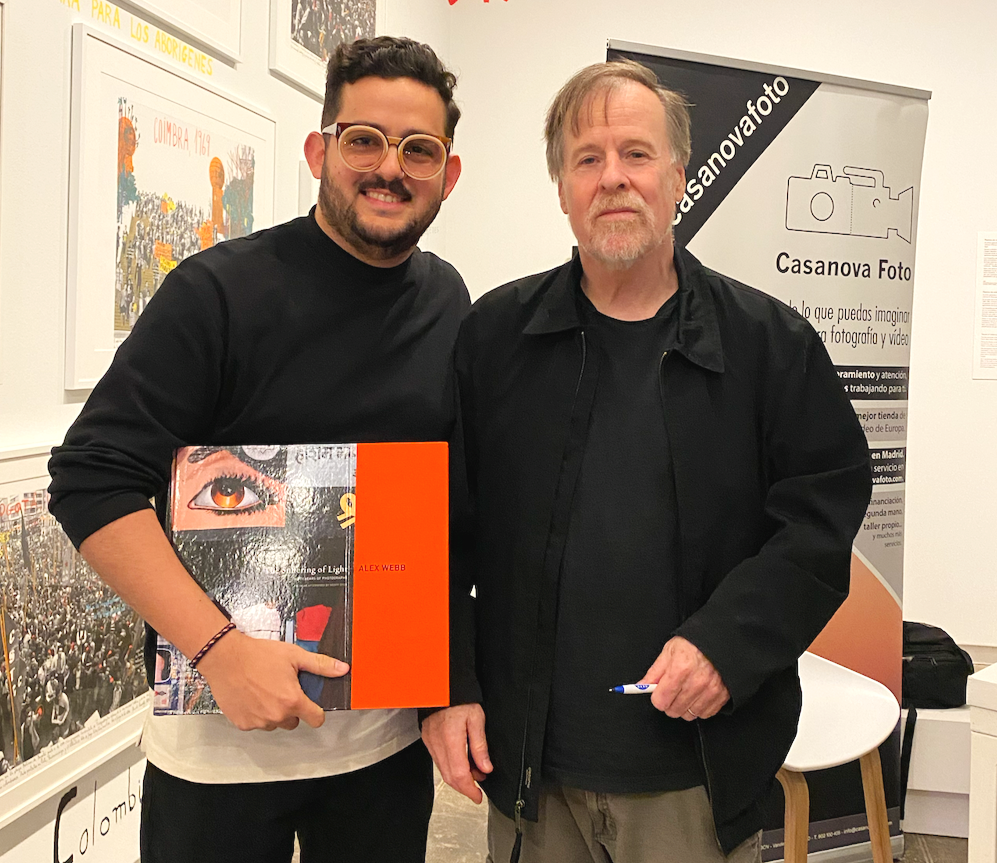
With Alex Webb in his masterclass in Barcelona. 2023
It was the photograph I had taken with my phone:
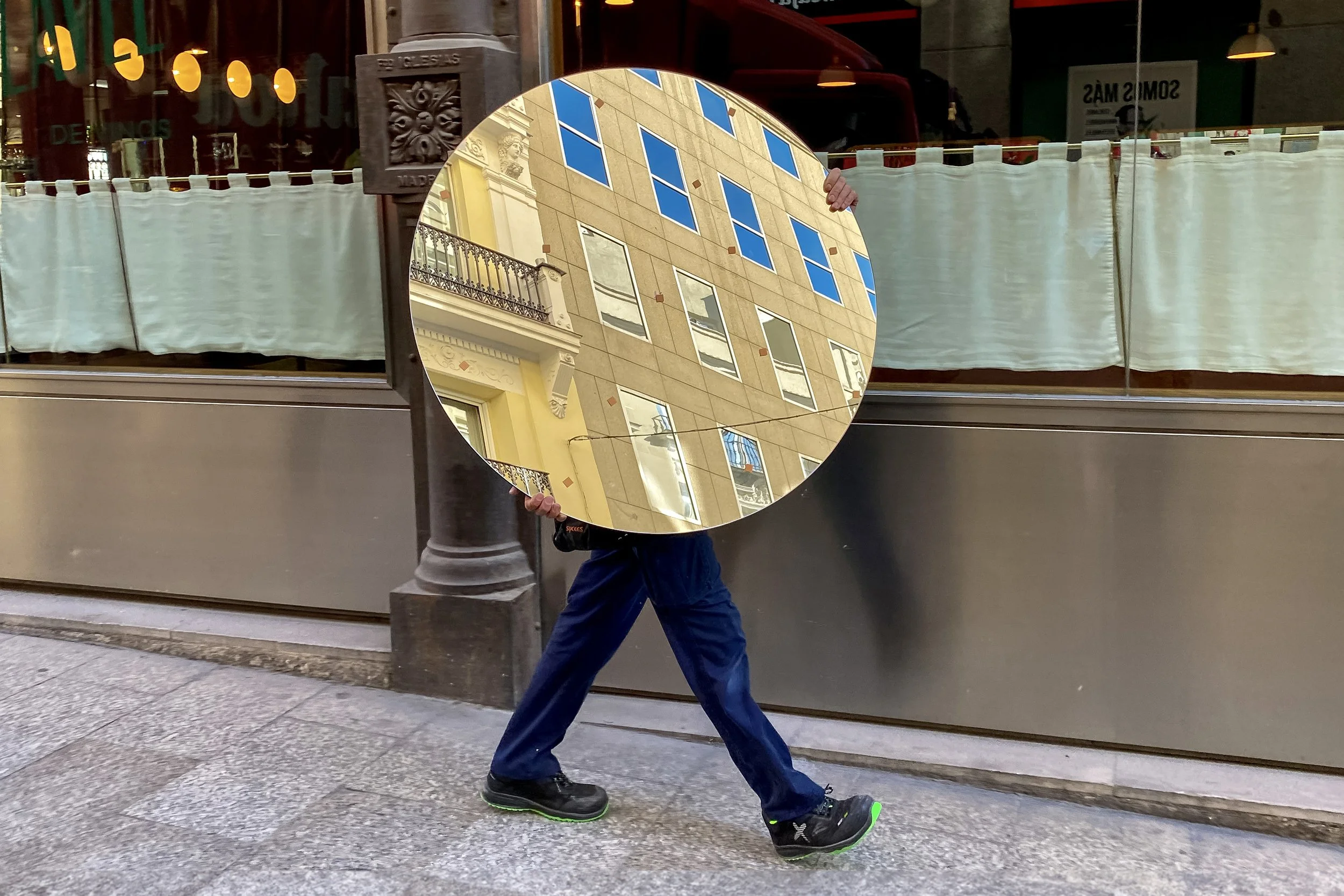
Taken with an iphone 11 camera.
From that moment on, I understood that I needed a camera I could carry with me at all times. A camera that could fit inside my pocket and be ready whenever one of those images appeared—the kind that will not wait for you to open your backpack.
The masterclass with Alex Webb had taken place in March. In December 2023, I bought a 40mm Ricoh GR IIIx.
The Ricoh felt like a very approachable camera. A little slow, yes, but over time I began to think that its slowness was part of its identity. It is a camera that feels deeply connected to a certain Japanese culture of work, precision and respect for the process.
In a world dominated by bursts of 150 photographs per second, millions of megapixels, extreme sharpness and cameras covered in buttons, Ricoh has remained faithful to its philosophy.
It is a camera that forces you to pause.
It makes you think about the image a little more, observe more carefully and take things slowly. As though photography had more to do with the photographer’s experience and the reasons that lead them to press the shutter than with any technological advancement.
However, after about a year, I began to feel its limitations. I was missing photographs whenever I needed to react quickly and, more than anything, I missed having a viewfinder.
Then Julio Marchamalo appeared.
One summer afternoon, he lent me his Fujifilm X-T5 while we walked along Madrid’s Gran Vía. It was love at first sight.
I could raise the camera and photograph people from less than fifty centimetres away without making them uncomfortable or causing them to reject my presence. It had an incredible viewfinder, a tilting screen that remained perfectly visible under the sun, and it was lightweight, compact and beautiful.
Today, I am a Fujifilm user more out of conviction than for any other reason.
I eventually bought a Fujifilm X100VI because I genuinely feel that these cameras possess something special. They have soul, character and spirit. They are cameras conceived for photographers. Machines where 4K, numbers and endless lists of specifications do not matter quite so much.
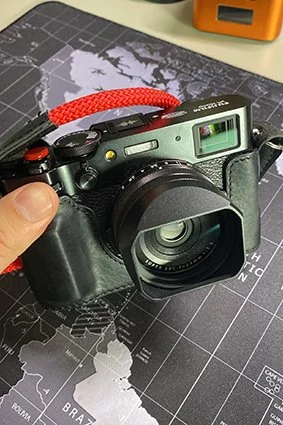
What matters is the experience of taking photographs.
After 17 years of photography, I would never have imagined that a camera could make me fall in love with this profession again in such a playful and, I would even dare to say, philosophical way.
I still work professionally with my Sony equipment because they are extraordinary tools. But when it comes to my personal work—to walking, observing, discovering and learning how to play again—my camera is the Fujifilm X100VI.
Because some cameras are made for working.
And others manage to remind you why you started taking photographs in the first place.
They give you back your curiosity, the desire to wander without a destination and the pleasure of observing the world more closely.
In the end, perhaps the best camera is not the fastest or the most advanced, but the one that allows you to photograph like the first time.